Should you clean old coins? What to do before identification or sale
Do not polish an old coin just to identify it or make it look sale-ready. PCGS advises collectors against cleaning coins themselves. Photograph the coin as found and establish its date, design and condition first; a brighter surface is not evidence of a better collectible.
Updated 7 October 2026: added reference photographs, a pre-treatment checklist and coin-focused related guides.
What should I do before touching the surface?
Leave a collectible coin untreated while you record its identity and condition. The American Numismatic Association advises against routine cleaning and warns that cleaning can reduce collector value. This does not mean every discoloured coin needs treatment or that every shiny coin has been cleaned.
- Photograph both sides as found; keep the original files.
- Move the light to reveal lettering and surface details instead of rubbing the coin.
- Record the date, mint mark, design, holder label and any known treatment separately.
- If deposits obscure the design or treatment might change the surface, ask a coin specialist before acting.
No universal percentage describes the value lost through cleaning. Use comparisons for the same issue and a comparable condition description, with any treatment qualifier kept visible.
Why can cleaning cause a grading problem?
PCGS distinguishes damaging cleaning from specialist restoration and lists abrasive surface damage among reasons a coin may not receive a numerical grade. PCGS cleaning advice and grading explanations support that distinction. This does not establish whether your particular coin has been cleaned; glare and lighting can also hide surface details.
What should I photograph instead of cleaning?
Use the following record before any treatment. Move the light or camera if a date is hard to see; do not rub the coin to improve a photograph. Keep original files alongside enlarged crops.
| Photo or note | What to include | Do not infer |
|---|---|---|
| Both sides | Complete design, date and lettering | Exact grade from one image |
| Edge, if safely visible | Lettering, seams or damage | Authenticity from one feature |
| Surface under a second light angle | Scratches and colour differences | Cleaning history from shine alone |
| Existing records | Holder label, receipt, previous treatment | A verified sale from an asking price |
Use reference photographs to plan your own record
These sourced reference images show where to look for design and lettering. They are not before-and-after cleaning photographs, certified grade examples or evidence about your coin’s treatment history.
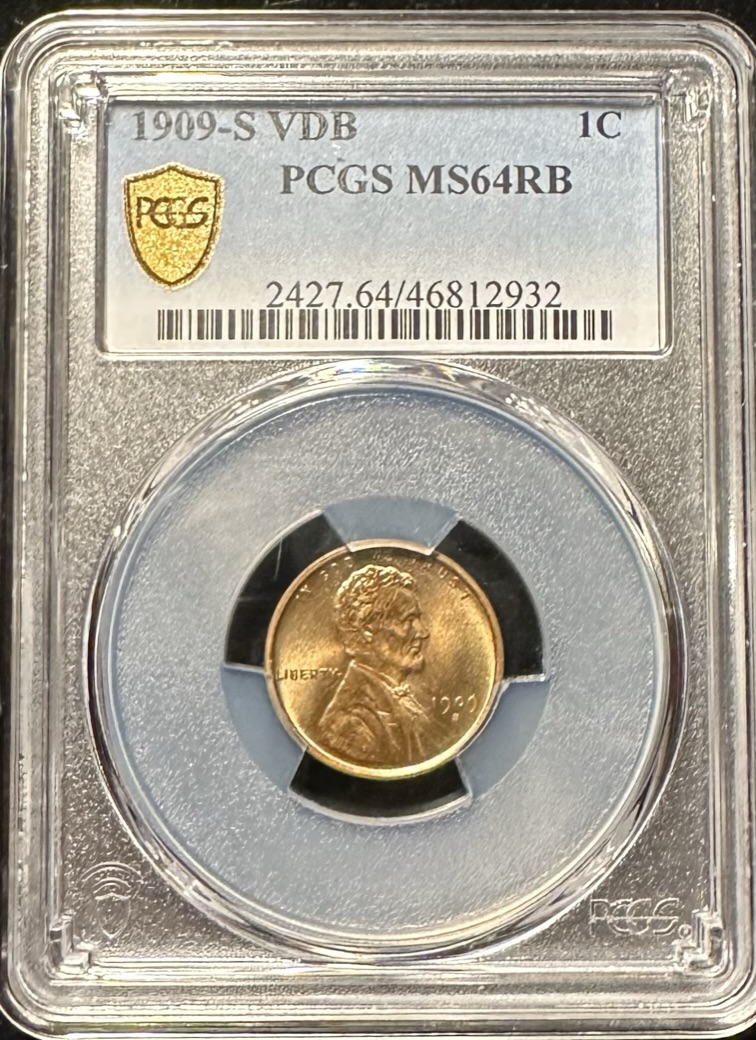
Lincoln cent: obverse
The obverse shows Lincoln and the date 1909. Photograph the small letter below the date clearly too. A series name is not a complete year, mint and variety identification.
Bruxton · Wikimedia Commons · CC0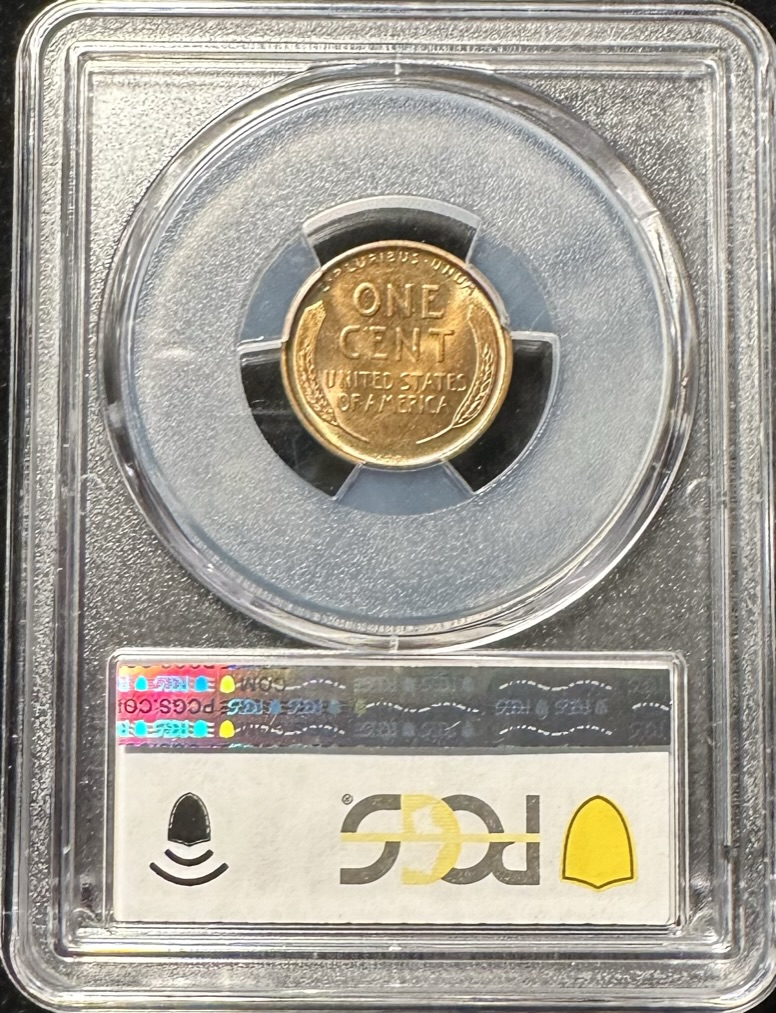
Wheat cent: reverse
Two wheat ears and ONE CENT provide a design check. The U.S. Mint dates the wheat reverse to 1909–1958. A particular rare variety still needs detailed views and reference checks.
Bruxton · Wikimedia Commons · CC0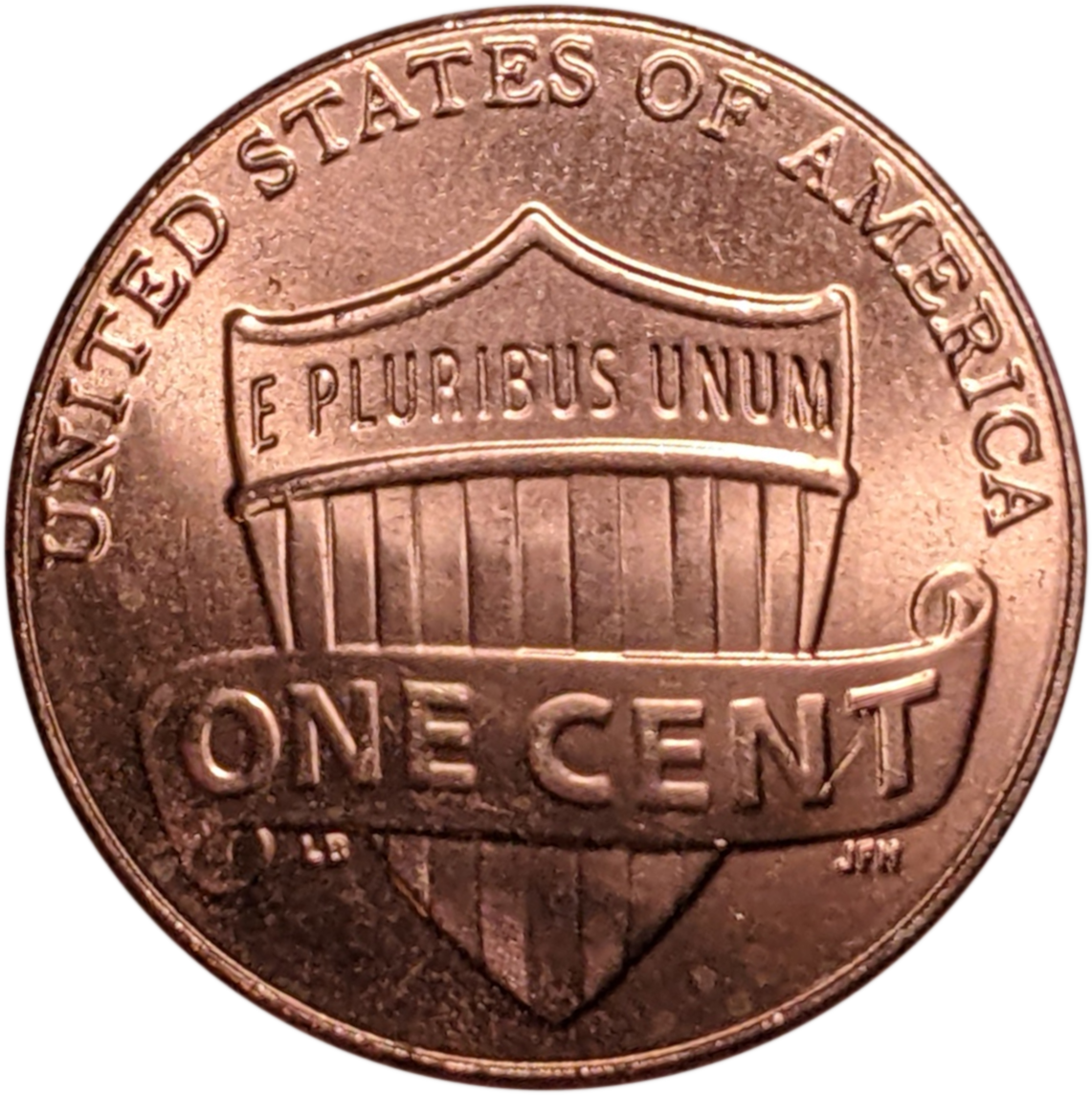
Shield cent: a different reverse
The shield reverse was introduced in 2010. This reverse photograph does not show the obverse date or mint mark; do not fill those gaps with an assumed identity.
MisfitMaid · Wikimedia Commons · CC BY-SA 4.0 · LicenseMy coin is already shiny. How do I research it?
Start with a neutral description such as “bright surface; treatment history unknown.” Do not label a coin cleaned or uncleaned from brightness alone. Record visible scratches, colour differences and any seller disclosure without trying to remove them. If a holder includes a condition qualifier, preserve the full label in your notes instead of using only the design or date when searching.
How much value does a cleaned coin lose?
There is no discount you can safely apply to every coin. Compare documented sales for the same issue and similar condition description, not an unqualified high-grade example against an ungraded coin. Separate asking prices from actual sale results, and note whether the comparison has a grading-service holder. If the treatment or grade is unknown, keep the price comparison provisional. A photo assessment is not a certified grade or a sale guarantee.
When should I ask for specialist help?
Pause if your next step would involve chemicals, scraping or polishing, or if a possible scarce variety makes the decision financially significant. Ask a coin specialist what evidence is needed before choosing a conservation or grading service. Do not assume paid treatment will improve a grade or recover its cost. If the coin has personal rather than resale importance, say that explicitly: preservation and selling are different goals.
Frequently asked questions
Should I use toothpaste or metal polish on a collectible coin?
Do not use them to prepare a coin for identification or sale. Follow the PCGS advice against do-it-yourself cleaning and record the coin before considering treatment.
Can AI tell me a coin has never been cleaned?
No. A photo-based tool can flag visible concerns and request better images, but cannot certify an untouched surface or assign a guaranteed grade.
Sources and scope
Material, grading and conservation facts refer to the sources above. The worksheets and comparison steps are CuriSnap editorial suggestions. Citations do not imply institutional endorsement or specialist review of a user’s object.
Sign-in is required to upload. AI-assisted findings need further verification.