 CuriSnap
Match issuer, denomination, year, variety and condition before comparing prices. A matching listing title is not enough.
CuriSnap · PHOTO RESEARCH
Read both sides.Find your coin’s clues.
Real coin photographs, location terms and market-research steps. Separate identity, design and condition.
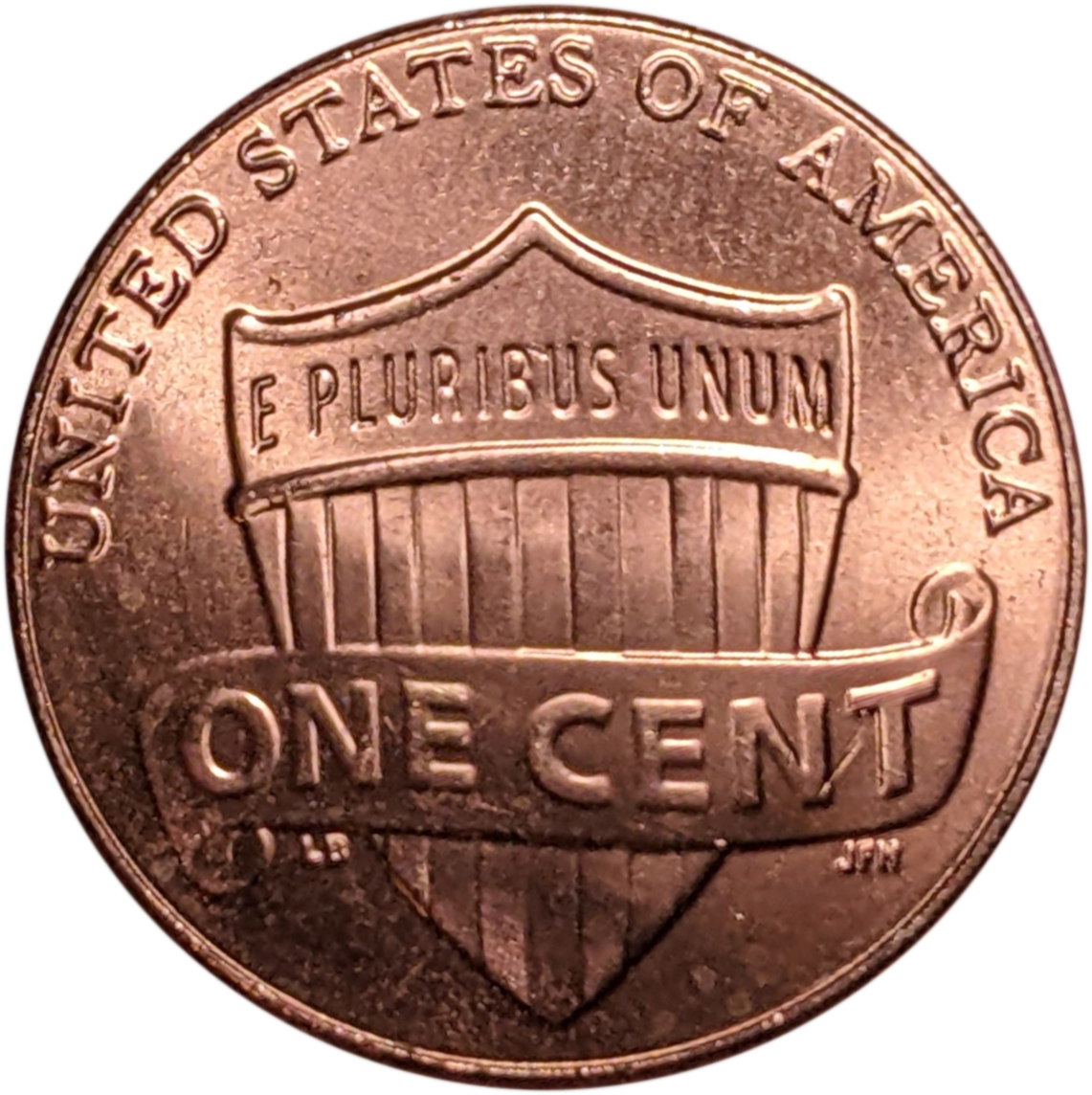
REAL REFERENCE PHOTOGRAPHShield cent: a different reverse
Both say ONE CENT. Why are they not the same type?
Use the date, mint mark and reverse design to establish identity. These are reference photographs, not identification results for your coin. Image clarity is not a condition grade.
Lincoln cent: obverse
The obverse shows Lincoln and the date 1909. Photograph the small letter below the date clearly too. A series name is not a complete year, mint and variety identification.
Bruxton · Wikimedia Commons · CC0Wheat cent: reverse
Two wheat ears and ONE CENT provide a design check. The U.S. Mint dates the wheat reverse to 1909–1958. A particular rare variety still needs detailed views and reference checks.
Bruxton · Wikimedia Commons · CC0Shield cent: a different reverse
The shield reverse was introduced in 2010. This reverse photograph does not show the obverse date or mint mark; do not fill those gaps with an assumed identity.
MisfitMaid · Wikimedia Commons · CC BY-SA 4.0 · LicenseFour terms that make a coin photo useful
Replace “worn here” with a location someone else can find. These are descriptive terms, not grades assigned to these reference coins.
Field
The flat areas without lettering or design. Angled light helps document surface changes; brightness also depends on lighting.
Relief
Raised design and lettering. Describe specific contact or wear areas; color alone does not establish an uncirculated coin.
Edge
The outer side between the faces, which may be plain, reeded or lettered. Face photos do not fully document it.
Rim
The raised border around a face, distinct from the edge. Keep the full outline in your photos.
Make market comparisons like-for-like first
A high-price screenshot is not a valuation of your coin. Separate date, mint, variety, condition, certification information and record type before comparing.
A practical search sequence
First search the series, date and mint mark. Then add a verified variety or reference number. Next review completed auction records, grades and alteration notes. Do not assign a certified-grade price to an uncertified coin by resemblance.
What can the shield reverse establish?
Why can similar coins have incomparable prices?
| Visible clue | Supports | Does not establish | Next check |
|---|---|---|---|
| Matching date and denomination | Some basic information matches | The same variety or rarity | Check designs, mint marks and the edge |
| A seller labels it AU / MS | A condition claim exists | Your coin merits the same grade | Distinguish seller descriptions from verifiable certification |
| One high-price record | A price record exists | An ordinary example will sell for that amount | Check sold status, variety and grade |
WORKED SCENARIO · NOT A VALUATION
Start with the coin, not the highest price
Transcribe the date and complete inscriptions and photograph the other face. If the comparison has certification, verify the certificate and grade. If yours is ungraded, keep that difference explicit. An unchecked outlier is not a comparable sale.
Use this checklist
- Photograph both complete faces, not just the dated side.
- Record measured diameter and weight and photograph the edge.
- Save the comparison’s variety, grade, sale date and fee basis.
Use checked sales evidence, not the highest listing
PCGS provides auction price history and asks users to confirm records against actual auction catalogs and realized prices. Also record currency, date and whether buyer’s fees are included. The database is not a complete market for every coin or country.
The source supports checking auction records. This page does not grade your coin or give a measured valuation. PCGS · Auction Prices Realized
Can photo research give me an official grade?
No. Visible wear and missing views can be recorded, but photo observations are not a grading service’s physical examination.
Which photos should you take?
Capture the details before starting research.
First face
Show the denomination, date and lettering.
Other face
Capture the complete design and inscriptions.
Edge and measurements
Include the edge and record measured diameter and weight.
Use these observation methods on your own object
Prepare whole-object, mark and detail photos, then open the live identification tool. Reports require sign-in and credits; photo research is not physical authentication or formal appraisal.
Start photo identification →